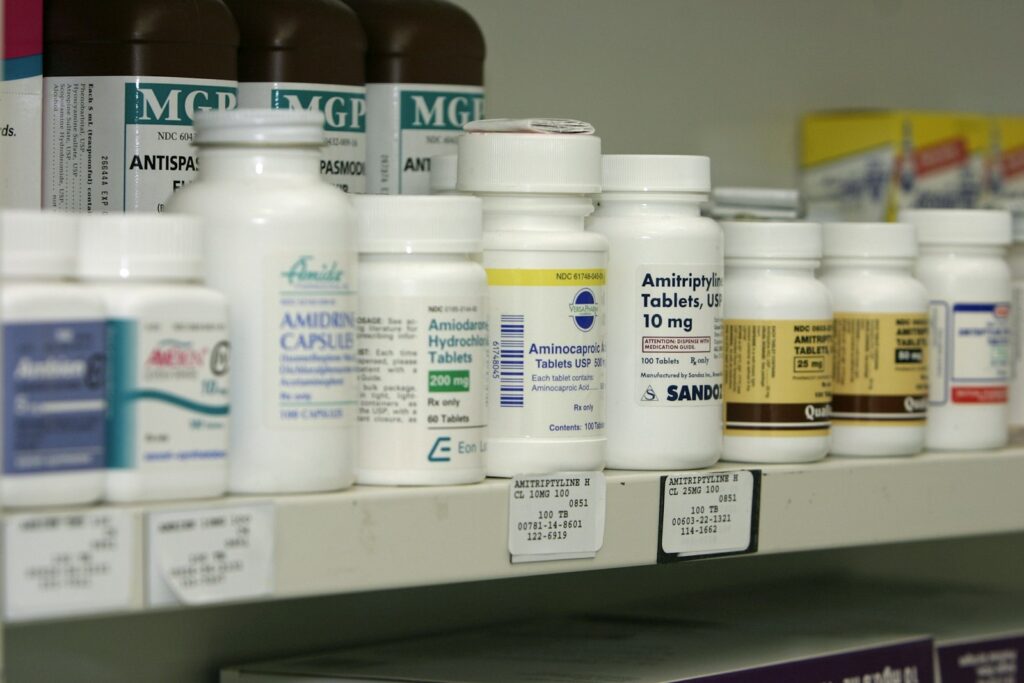
Quick answer: Pharmacy inventory management means knowing what stock you have, which batch it is from and when it expires. Track batch numbers and expiry dates, sell the earliest-expiring batch first (FEFO), set low-stock and expiry alerts, receive purchases through goods received notes, and audit stock regularly. Software such as PharmacyOS automates this.
Why pharmacy inventory is different
Medicines expire. A tin of nails stays valuable on a shelf for years, but a box of medicine becomes worthless, and unsafe to sell, after its expiry date. That makes batch and expiry tracking the heart of pharmacy inventory management, not an extra.
Batch numbers and expiry dates
Each delivery of a medicine arrives as one or more batches, each with its own batch number and expiry date. Recording both when stock arrives lets you see exactly which units are close to expiry and trace a batch if there is ever a problem.
FEFO: first expired, first out
FIFO means first in, first out: the oldest stock leaves first. FEFO means first expired, first out: the batch that expires soonest is sold first, whatever order it arrived in. For medicines, FEFO is the safer rule, because a newer delivery can have a shorter expiry than older stock.
For a deeper Bangla guide, see the PharmacyOS articles on FEFO and batch tracking in pharmacies and on reducing expiry losses.
Expiry alerts that give you time to act
An alert is only useful if it arrives early enough. Many pharmacies use staged warnings, for example 90, 60 and 30 days before expiry. Early warnings let you:
- Move slow stock to the front and sell it first.
- Ask the supplier about returns or exchanges where they allow it.
- Offer a sensible promotion before the medicine expires.
- Stop reordering items you cannot sell in time.
Low-stock alerts and reorder levels
Running out of a fast-moving medicine loses sales and customers. Set a reorder level for each item, based on how fast it sells and how long your supplier takes to deliver, and let the software warn you when stock reaches it.
Receiving stock correctly
Record every delivery with a goods received note (GRN) that matches the supplier invoice. This updates stock automatically and shows quickly if the delivery does not match the order.
Stock adjustments and physical audits
Even with software, you should count stock regularly. Compare the physical count with the system, investigate differences and record adjustments with a reason. Counting a few items often is easier than one large count a year.
A simple daily and weekly routine
- Daily: check low-stock and near-expiry alerts, and record all deliveries.
- Weekly: review best-selling and slow-moving items, and count a few fast movers.
- Monthly: review near-expiry stock, supplier performance and overall stock value.
What PharmacyOS offers for stock and expiry
The inventory module in PharmacyOS is described as providing real-time stock counts, batch and expiry tracking, low-stock warnings, expiry alerts at 30, 60 and 90 days, and stock adjustment and physical audit reports. Automated batch and expiry (FEFO) handling is listed in its Pro plan. See the features page and the plans for details.
For general stock guidance, read our inventory management software guide.
Frequently asked questions
What is FEFO in a pharmacy?
FEFO stands for first expired, first out. It means the batch with the earliest expiry date is sold first, even if it arrived later than other stock.
What is the difference between FIFO and FEFO?
FIFO sells the oldest stock first by arrival date. FEFO sells the earliest-expiring stock first by expiry date, which is safer for medicines.
How early should expiry alerts be?
Early enough to act. Many pharmacies use staged alerts, such as 90, 60 and 30 days before expiry, so they can sell, return or discount stock.
How often should a pharmacy count its stock?
Count regularly, with fast movers and high-value items more often. Frequent small counts are easier than a single large annual count.
Related guides
- Best Inventory Management Software: Features and How to Choose
- Warehouse Management System vs Inventory Management System: Key Differences
- Best Accounting Software for Small Business: How to Choose
- Pharmacy Management Software in Bangladesh
- Winmac System products
See PharmacyOS in action
Request a free demo on pharmacyos.cloud, or talk to Winmac System about software for your business.